
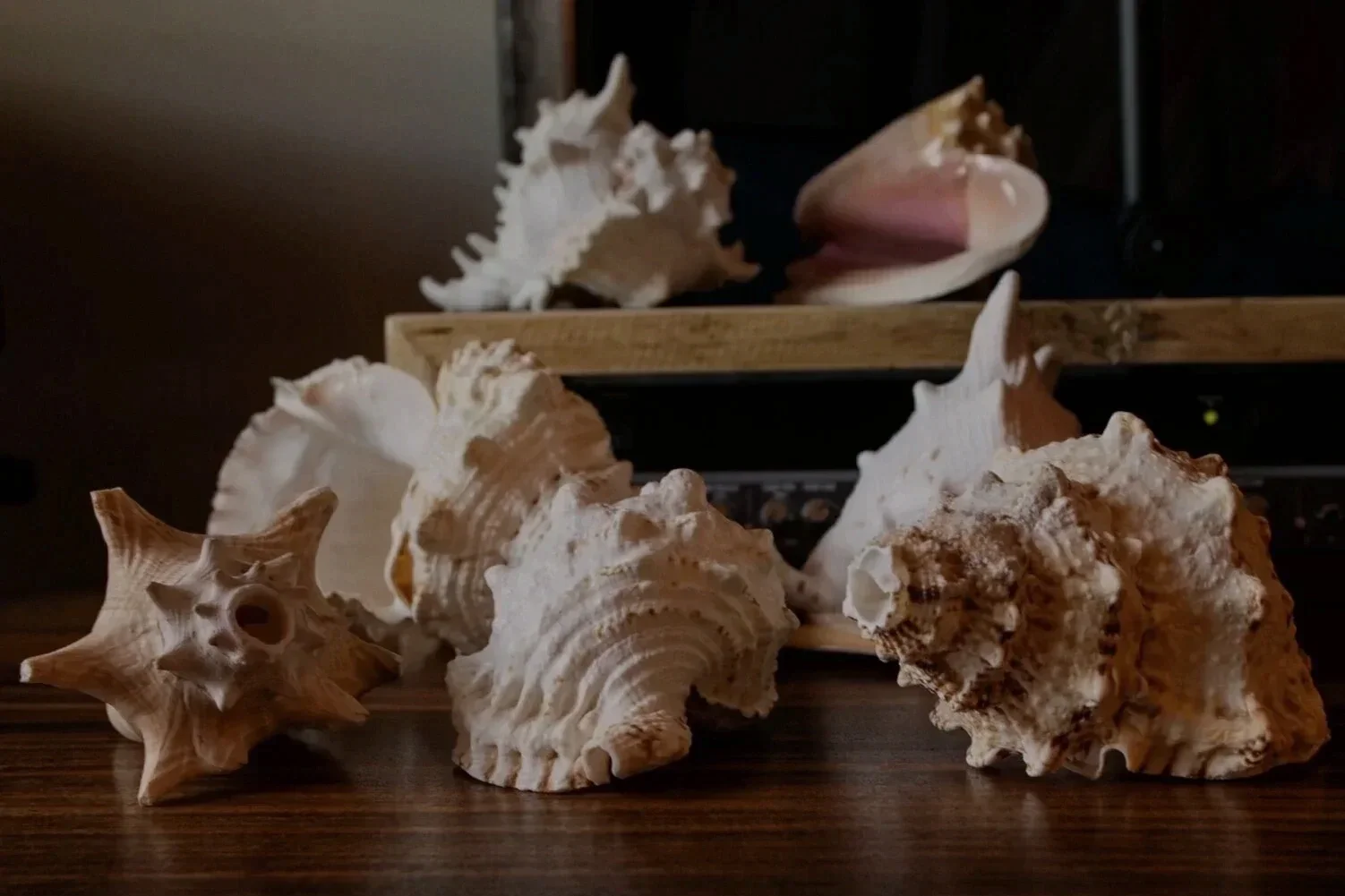
Animal Horn Demonstration Videos
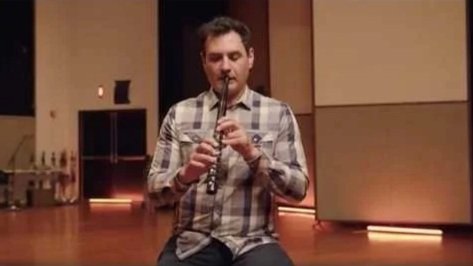
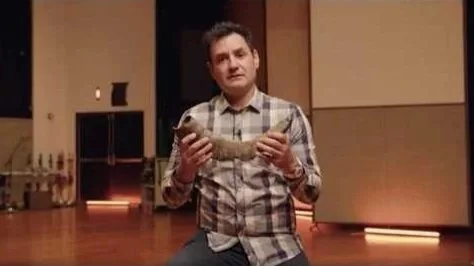
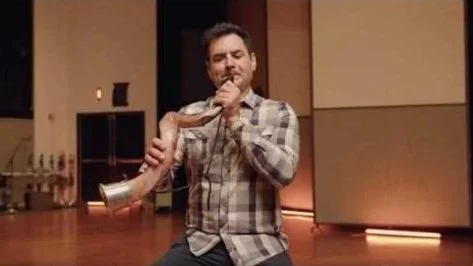
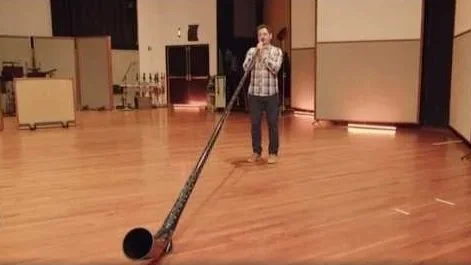
This collection features rare and unique instruments performed by Dylan Hart, including both naturally occurring and modified animal horns. Some instruments remain in their original form, producing pitches from the natural harmonic series, while others have added finger holes that expand their range and allow for a greater variety of musical possibilities.
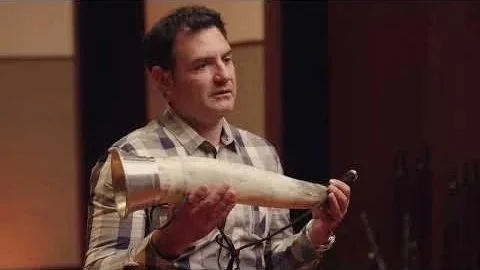
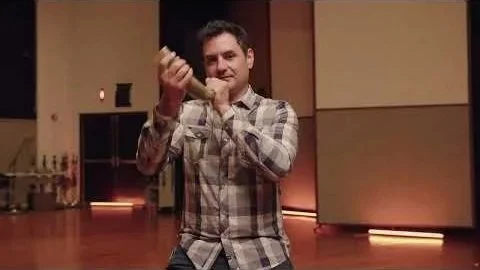
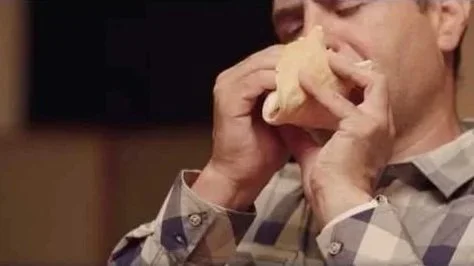
Frequently Asked Questions About Animal Horns
-
The range of each instrument depends on the length and shape of its horn or tube. Animal horns do not have a fixed range because every horn is unique in size and construction. Some of the ranges can span 2-3 octaves. Instruments without valves or finger holes can only produce notes from the natural harmonic series, limiting the number of available pitches. Instruments with finger holes, however, can produce a wider range of notes and greater melodic flexibility.
-
Many extended techniques can be performed on these instruments. Common techniques include pitch bending, flutter tonguing, multiple tonguing, glissandi between harmonics, timbral changes, and multiphonics (vocalization while playing).
-
Animal horns create authentic textures and colors that modern brass instruments cannot easily replicate. Film and TV composers often use them to evoke ancient civilizations, wilderness settings, historical periods, fantasy worlds, and epic cinematic moments.
-
The Grinch (2018)
Cars on the Road (2022 on Disney+)
Salem’s Lot (2024)
The SpongeBob Movie: Search for SquarePants (2025)
Life Below Zero (2025)
-
Dylan is available for recording sessions, film and television scoring, video game soundtracks, live performances, educational demonstrations, and consultations involving rare and auxiliary wind instruments. Contact Dylan to learn more or inquire about your project.